Didier Deschamps’ France Farewell Ends With 6-4 World Cup Loss
Didier Deschamps ended his 14-year France tenure with a 6-4 defeat by England, leaving behind a record 185 matches and a lasting mark on the Bleus.
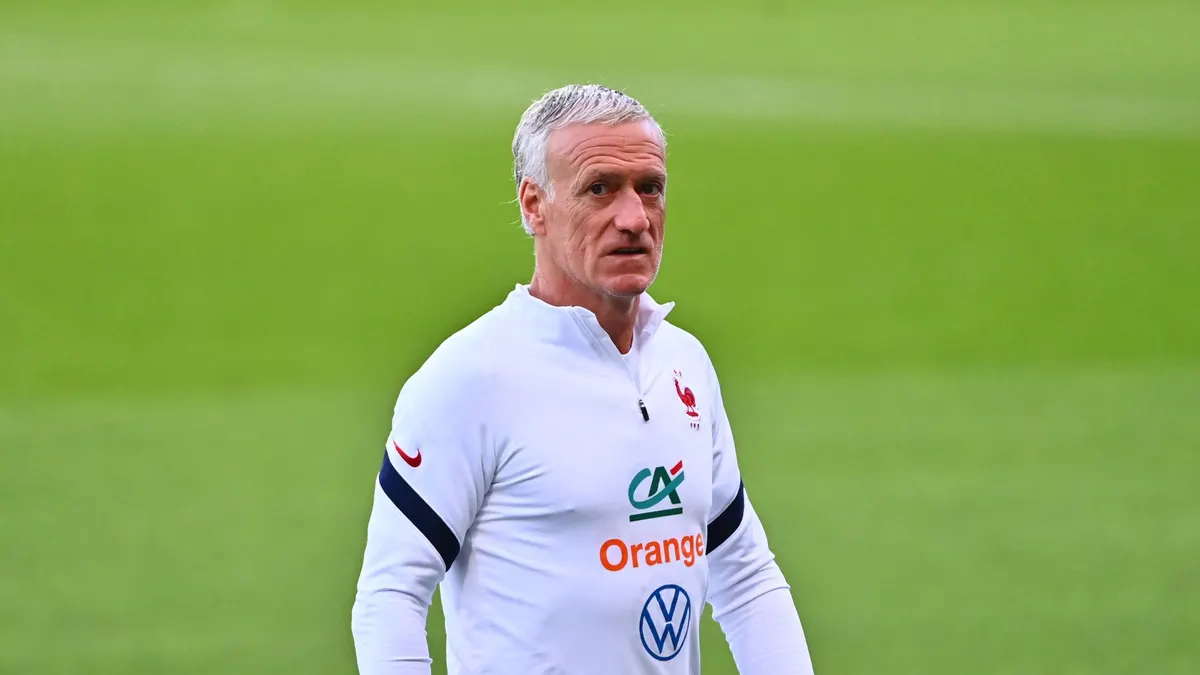
Didier Deschamps’ long tenure as France coach ended with a chaotic 6-4 defeat by England in the 2026 World Cup third-place play-off in Miami. The result was a painful conclusion to his 185th and final match in charge, but the evening also reflected the emotion surrounding the end of an era. France trailed 4-0 at half-time before producing a forceful second-half response, although the recovery could not prevent England from claiming third place.
Deschamps accepted responsibility for the collapse before the interval. France conceded four times in the opening half, leaving the coach visibly angry when he addressed his players. His reaction helped trigger a different performance after the break, when Kylian Mbappe and his team-mates showed greater intensity and character. The scoreline remained heavily against them, but the response prevented the match from becoming a one-sided final appearance for their coach.
The defeat followed France’s 2-0 semi-final loss to Spain. Deschamps had acknowledged Spain’s superiority after that match, while also expressing his frustration with the circumstances and criticism surrounding the campaign. He returned to training still hurting from the elimination, then demanded that the squad remobilise for the play-off. The third-place match therefore became both a competitive fixture and the closing ceremony of his period with the national team.
Deschamps later explained that his decision to leave was made “for the good” of France. He had been in charge since the summer of 2012, a 14-year spell that included major successes, difficult periods and sustained public scrutiny. His final appearance brought the total to 185 matches, giving him one of the longest and most significant coaching records in the history of the Bleus. The timing of his departure was already known before the tournament’s conclusion, making the England match a defined end point rather than a sudden resignation.
The final press conference showed how much the occasion had affected him. Deschamps revealed that he had shed tears while reading messages sent to him before the match. He also spoke about the emotions transmitted to France during his time in charge, even as he admitted his disappointment at ending with a defeat. Those comments gave the departure a personal dimension that the scoreline could not capture. His return to France the following day was quiet, with supporters waiting at Paris-Charles de Gaulle airport unable to meet him in person.
Tributes came from figures closely associated with his national-team career. Olivier Giroud, a member of France’s 2018 World Cup-winning squad, paid homage to his former coach. Jordan Veretout, who earned six international caps and was part of the squad that finished as World Cup runners-up in Qatar in 2022, also delivered a message of thanks. Mbappe had posted his own tribute before the third-place match, while the players’ change in attitude after half-time offered another indication of the authority Deschamps retained inside the dressing room.
Veretout’s message also pointed towards the next chapter. He welcomed the arrival of Zinédine Zidane as the new France coach, but the succession was not yet fully formalised. Zidane was widely expected to replace Deschamps, although his contract had not been signed at that stage. The discussions surrounding his staff and remuneration added another layer to the transition, with a forthcoming reform of professional sport potentially affecting the salary framework for the next coaching team.
The change will be watched closely because Deschamps leaves after a period in which France remained a central force in international football. His teams reached the highest stages repeatedly, and his methods were tested against both praise and criticism. The end was particularly difficult: a semi-final exit, a first-half defensive breakdown against England and a final score that placed the emphasis on spectacle rather than closure. Yet the second-half revival showed that the players still responded to his demands, even in a match with no trophy at stake.
Away from the national team, Deschamps’ relationship with Marseille supporters remains part of his complicated public story. He coached Olympique de Marseille from 2009 to 2012 before taking the France job. At the club’s first Ligue 1 home match of the new season, the South Winners displayed a “Viva Roja” tifo celebrating Spain’s World Cup triumph. Some interpreted it as a message aimed at Deschamps and France, but South Winners vice-president Rachid Zeroual denied that reading, saying the group admired Spain’s collective football and included members of Spanish origin. Zeroual has previously described a hostile confrontation with Deschamps during his Marseille tenure, making the episode an unusual footnote to the coach’s departure.
France now moves from a settled, familiar leadership structure to an expected Zidane era. Deschamps leaves with the authority of 185 matches, the respect of players from several generations and an ending that contained both failure and resistance. The 6-4 defeat will define his last result, but the wider record is measured across 14 years, from his appointment in 2012 to the final whistle in Miami.
Source: RMC Sport · Football
 Wydad AC
 Mike Malott
 Joaquin Buckley
 Cristian Pérez