UEFA Considers Legal Action Over Infantino’s FIFA World Cup Plan
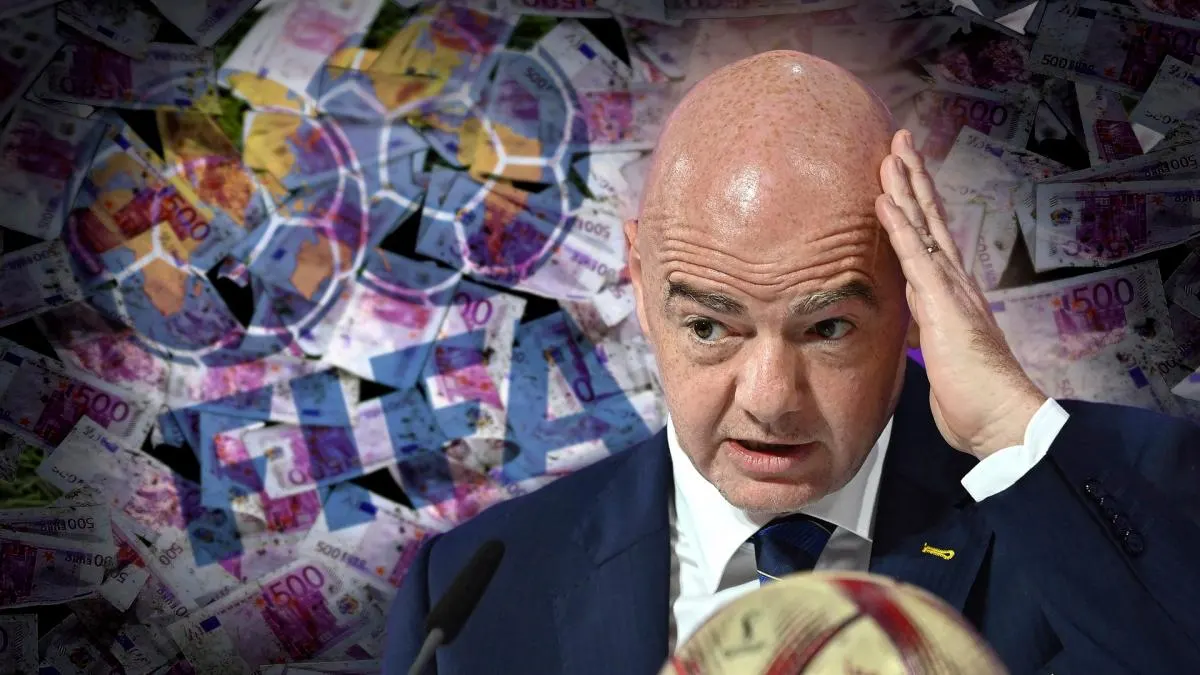
UEFA has prepared a 56-page US legal dossier alleging Gianni Infantino’s abandoned plan to sell 20% of a FIFA commercial arm was dangerously undervalued.
UEFA is considering legal action against FIFA president Gianni Infantino and the organisation over an abandoned plan to sell part of FIFA’s commercial business to private investors. Lawyers for European football’s governing body are preparing to submit documents to a US court, arguing that the proposed transaction was significantly undervalued and may have involved improper management.
The plan centred on the sale of 20% of a proposed FIFA commercial subsidiary for $4.2 billion, or about €3.6 billion. The investment group was led by Joshua Kushner, the founder of Thrive Capital and brother of Jared Kushner, who is the son-in-law of former US president Donald Trump. The proposed vehicle was known as FIFA Forward Enterprise.
UEFA’s legal case challenges both the price and the process used to reach it. The transaction was not put through an open and competitive auction, according to the documents, and its value was not tested by an independent appraiser. UEFA’s position is that a fifth of FIFA’s commercial operation should not have been offered at the proposed price without those safeguards.
The dossier prepared by UEFA runs to 56 pages. It describes the conduct attributed to Infantino as potentially constituting criminal mismanagement. The documents state that, if the alleged offences were proved, those responsible could face sentences of up to three years in prison. That is an allegation contained in the legal material, not a finding by a court, and no criminal judgment has been reported.
The proposed financial incentives for FIFA’s 211 member associations are also included in the case. Each association was due to receive $40 million over four years if it supported the plan. UEFA’s documents argue that these payments could have influenced the members whose backing was needed for the commercial structure to advance. The sums were described as particularly significant for many national football bodies.
UEFA also wants a court order requiring Thrive Capital to disclose documents connected with FIFA Forward Enterprise. That request would seek records relating to the proposed investment, its structure and the discussions surrounding it. The intended action in the United States therefore focuses not only on the valuation but also on obtaining information about how the agreement was developed and presented.
The dispute became public at the end of July, when details of the proposal triggered opposition across football. UEFA resisted the plan and threatened to boycott the 2030 World Cup. Concacaf rejected the proposal as well. The reaction showed that the disagreement was not limited to a commercial valuation but had become a wider conflict over FIFA’s control of its revenue-producing activities and its relationship with the confederations.
The proposal also struggled to maintain support inside FIFA. Carlos Cordeiro, described as a senior adviser to Infantino, resigned after the plan became public. Kevin Lamour, FIFA’s number three official, immediately distanced himself from it and was later dismissed. Those developments added to the pressure on the FIFA president as opposition spread among both external stakeholders and senior figures within the organisation.
Three days after the details were leaked, Infantino announced that the project would not proceed. He said the proposal had created divisions that no longer served its original purpose and that FIFA’s objective remained to unite and make progress. The announcement ended the proposed sale, but it did not resolve UEFA’s concerns about how the transaction had been valued or how support for it had been sought.
The next stage is now legal rather than commercial. UEFA has not been reported to have secured a court ruling against Infantino or FIFA, but its prepared documents indicate that it is weighing a formal complaint in the United States. The abandoned plan cannot be completed in its proposed form, while the questions over the $4.2 billion valuation, the member-association payments and the requested disclosure of Thrive Capital’s records remain at the centre of the dispute.
Source: Foot Mercato
 Wydad AC
 Mike Malott
 Joaquin Buckley
 Cristian Pérez