Canal+ tax threat puts French Ligue 1 funding under fresh strain
A proposed rise in French pay-TV VAT has prompted Canal+ chief Maxime Saada to warn of higher prices and reduced sports investment, reviving Ligue 1 fears.
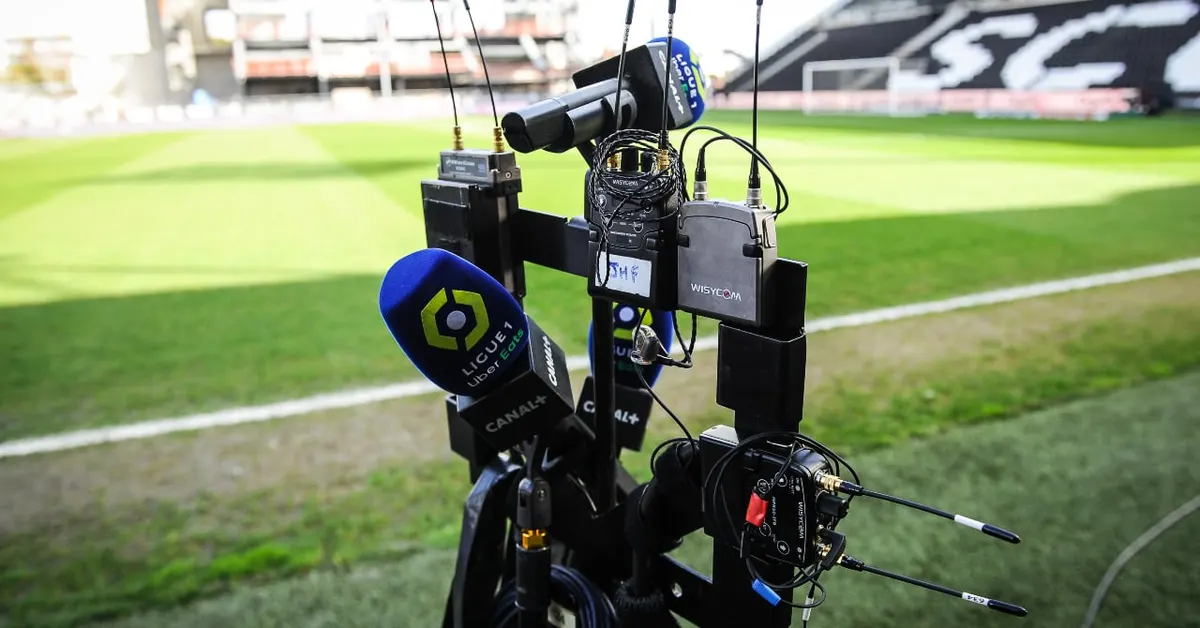
Canal+ has warned that a proposed change to France’s tax treatment of pay television could weaken the financial foundations of French sport, including Ligue 1. Maxime Saada, the group’s chairman of the management board, said the planned removal of the reduced value-added tax rate would force Canal+ to reconsider parts of its business and its investment in sport and cinema.
The proposal, included in the draft 2027 finance bill, would raise the VAT applied to pay television from 10% to 20%. Canal+ estimates that the change would create an additional annual cost of €200 million. Saada said the group would not be able to absorb the full increase, putting pressure on subscription prices, employment and the budgets allocated to sports rights.
The immediate commercial effect would not be expected before 2028 or 2029, according to Saada. He said subscription prices would necessarily rise over that period if the tax change went ahead. He also raised the possibility of a social plan within the company, presenting the measure as a financial shock with consequences beyond the price paid by subscribers.
Saada’s broader warning focused on Canal+’s position across the French sports economy. The group holds rights to major properties including the Top 14, the Champions League and France’s top women’s league, now known as Première Ligue. He described Canal+ as the leading financial contributor to French sport and argued that a reduction in its spending would leave federations, leagues and clubs searching for replacement revenue.
Professional rugby is the clearest example of that dependence. Canal+ secured the rights to the Top 14 and Pro D2 for the 2027-2032 period in a deal worth €139.4 million per season. Saada also referred to rugby’s own assessment that 70% of the league’s resources come from audiovisual rights paid by Canal+. Any reduction in Canal+’s capacity to invest would therefore affect a competition whose finances are strongly tied to broadcasting income.
The Canal+ executive used Ligue 1’s recent rights crisis as a warning of what can happen when the historic broadcaster is absent from the market. Canal+ withdrew from the French league’s rights tender in 2024 after becoming disillusioned with the way the Ligue de Football Professionnel handled the collapse of the Mediapro agreement. Its absence contributed to a difficult rights cycle in which the LFP’s own channel failed to maintain the audiovisual income clubs had expected.
That episode remains central to the dispute because it offers a recent example of the gap between the value of a major competition and the money broadcasters are prepared to commit. Saada asked who would replace Canal+ in financing sport and cinema, pointing to Ligue 1 after the broadcaster’s withdrawal. He also noted that Paris Saint-Germain earns more from the Champions League, whose rights Canal+ helps finance, than from Ligue 1 itself, underlining the different financial scale of European competition.
The warning comes despite signs that relations between Canal+ and the LFP had begun to improve. A new fiscal burden could reopen tensions and make any future involvement in Ligue 1 more difficult. It could also affect the wider market, as Canal+ would have to balance its commitments to rugby, European football, women’s football, cinema and its own workforce against the projected €200 million cost.
For French sport, the issue is not only whether Canal+ remains a major buyer of rights, but whether another group could replace its contribution if investment falls. No alternative financier was identified in the warning. The immediate next step is the debate over the 2027 finance bill, while Canal+’s stated timetable places the most direct effects on subscribers and the company’s investment decisions in 2028 and 2029.
Source: Football365 France
 AFAD
AFAD SOA
SOA San-Pédro
 ASEC Mimosas
 Kwara United
 Berekum Chelsea
 Medeama