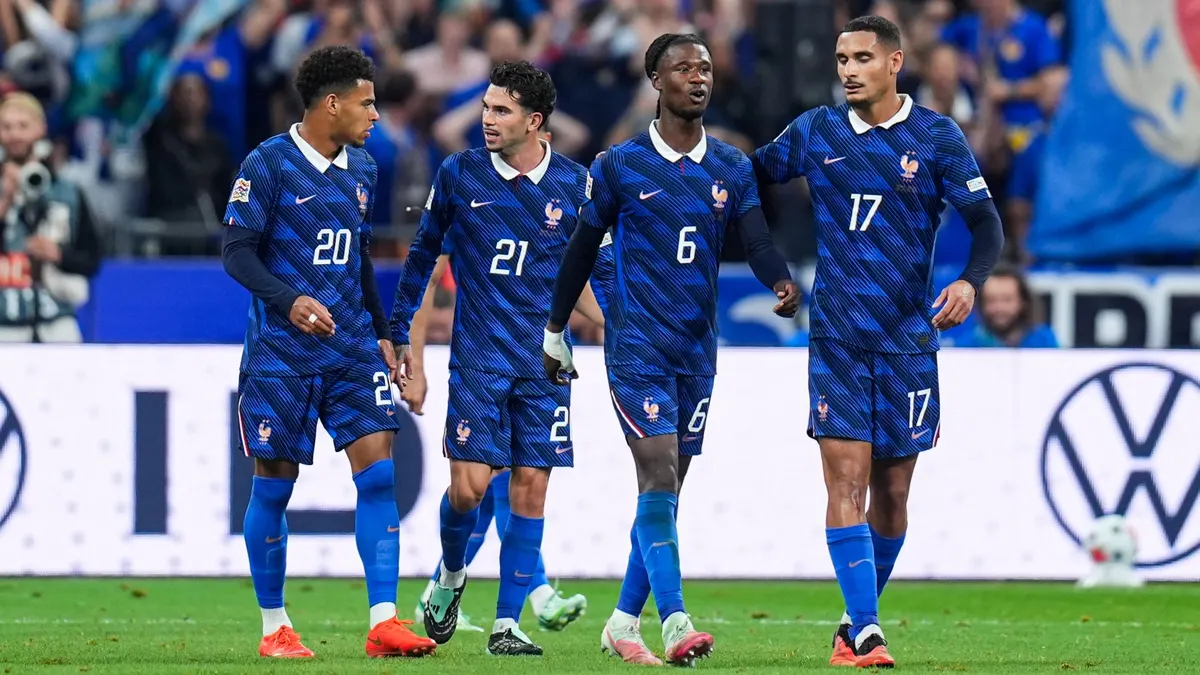
France national team: Camavinga and Doué shine in Zidane’s first camp
France’s first Zidane-era camp produced three wins, a draw and seven goals, with Camavinga, Doué and Olise strengthening their claims while Dembélé struggled.
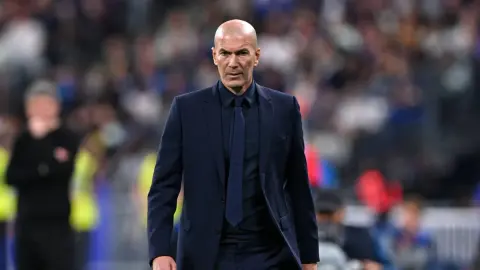
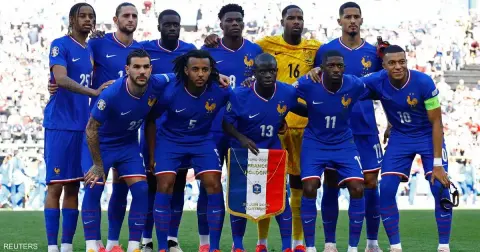
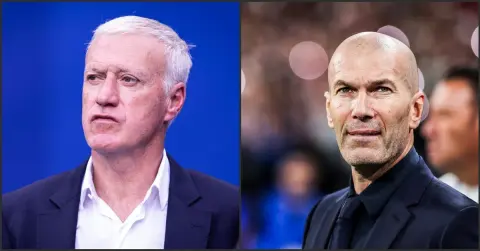
Zinedine Zidane’s first gathering as France coach ended with a strong record and several changes to the national-team picture. France won three of their four matches, drew once, scored seven goals and conceded two. The staff also used almost the entire squad, with only third-choice goalkeeper Jean Butez left without playing time. The camp gave Zidane a broad view of his options and produced clear winners and losers before the next gathering in November.
Michael Olise was the outstanding attacking player. The Bayern Munich forward scored four goals and supplied two assists across the four matches, making him the most decisive player of the early Zidane era. His performances strengthened the case for keeping him on the right side of the 4-3-3, where his relationship with Désiré Doué and Rayan Cherki also helped France create danger. Dayot Upamecano confirmed his importance in central defence as well, although his sending-off against Italy was the one blemish on an otherwise dominant spell.
Eduardo Camavinga was another major beneficiary. Returning after missing the 2026 World Cup, the Real Madrid midfielder started both matches against Belgium and brought energy, precision and defensive intensity to the centre of the pitch. His diagonal passing repeatedly changed the direction of attacks, while his recovery runs and tackles gave France control without the ball. He recovered seven balls in the second meeting with Belgium, two more than in the first. His ability to operate as a holding midfielder also fits the qualities Zidane is seeking.
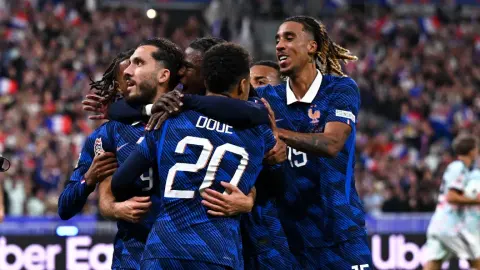
Doué made an equally strong case for a larger role. He impressed from the right against Belgium, was less influential on the left against Italy, then produced a decisive substitute appearance in the return match against Belgium with one goal and two assists. His dribbling, shooting, technique and work rate stood out, as did his performances in training. Zidane has already indicated that Doué can play in two or three positions, but the staff’s preference is to find the role in which he can express himself best. A discussion about making him a regular starter is now firmly open.
Cherki also finished the camp better than he started it. Zidane tested him as a midfielder rather than using him only in an attacking role. His first two starts were frustrating, including a quiet beginning in Turkey, but his introduction against Belgium helped revive France and highlighted the value of his technique. Questions about his defensive contribution remain, yet the staff’s work to identify his best position has produced a positive early result. His reaction after scoring, when he acknowledged assistant coach David Bettoni, reflected his strong connection with the coaching group.
Several defenders strengthened their positions. Jérémy Jacquet delivered two very good performances before withdrawing from the Belgium match, showing physical aggression and confidence in possession. Leny Yoro was also convincing on his first appearance after being called into the squad late, and his performance in the final match gave him momentum before returning to Manchester United. At left-back, Adrien Truffert emerged as the most reliable option, combining clean defending, energy and attacking contribution. Pierre Kalulu also impressed through his defensive solidity, running power and tactical discipline, although his attacking output can still improve.
The camp exposed more uncertainty on the other side of the selection. Andy Diouf was used at left-back, a position he does not play for his club, and struggled particularly in the second match against Belgium. He has not yet developed the habits required by a four-man defence in that area. His performances did not close the discussion, but Truffert gained ground. The question of how Truffert would combine with Kylian Mbappé on the left remains for another camp, especially after Mbappé’s only appearance came against Turkey, where he scored before leaving injured after an hour.
Ousmane Dembélé was the most prominent disappointment among the established players. Zidane placed him in the central attacking role he occupies at club level and gave him the captaincy in Mbappé’s absence. Dembélé struggled to reproduce his club impact, with imprecise attempts, loose touches and too few successful changes of pace. He was later moved to the right against Belgium but still found it difficult to create openings. Zidane defended him after the match, calling him dynamic and exemplary as captain, but the absence of attacking numbers left a clear contrast with Olise and Doué.
The other attacking concerns were younger players trying to establish themselves. Maghnes Akliouche received an extended opportunity with two starts against Belgium, but his activity did not translate into enough forward momentum. His execution appeared slow and he was too restrained near goal, particularly compared with the other midfielders. Esteban Lepaul made frequent runs but had technical problems with his control and struggled to connect with teammates, suggesting that the level remains demanding for the Rennes striker. Bradley Barcola also failed to make a decisive impression and lost ground in the contest for the left side to Doué and Mbappé.
The next gathering in November will therefore begin with a stronger hierarchy but not a settled team. Olise’s place on the right, Camavinga’s midfield credentials, Doué’s growing importance and Truffert’s progress at left-back are among the clearest conclusions. Cherki has made his midfield experiment worth repeating, while Jacquet and Yoro have added depth in central defence. Dembélé, Akliouche, Lepaul and Barcola will need more influential club performances to alter the balance created by Zidane’s opening four matches.
Source: RMC Sport · Football
 AFAD
AFAD SOA
SOA San-Pédro
 ASEC Mimosas
 Kwara United
 Berekum Chelsea
 Medeama